Extracting Tomorrow’s Energy from Seawater – Tata Consulting Engineers
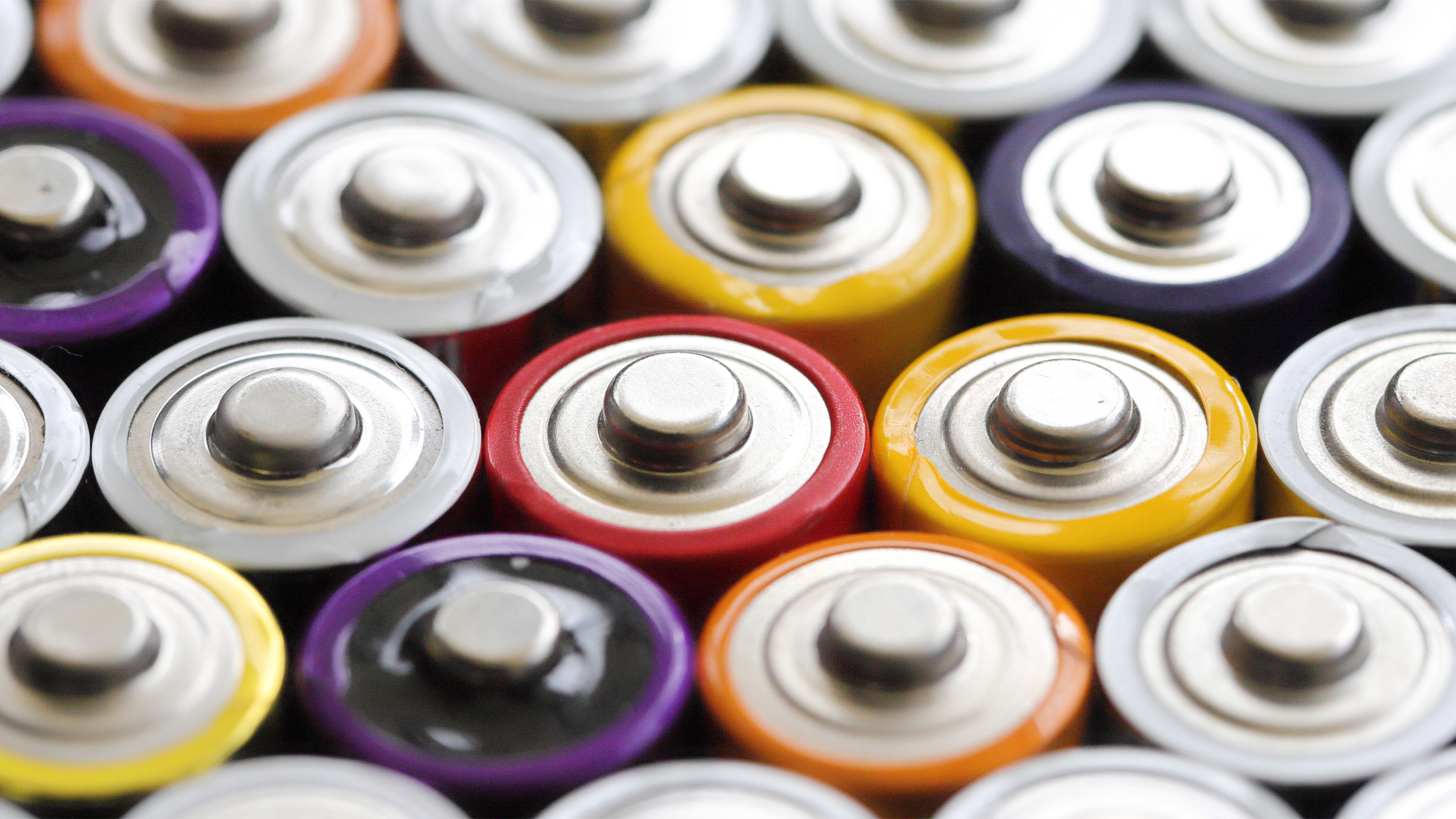
As the world shifts toward clean energy, one element has quietly become indispensable—lithium. It powers everything from mobile phones to electric vehicles and large-scale energy storage systems. However, extracting lithium today is expensive, environmentally intensive, and dependent on limited global sources.
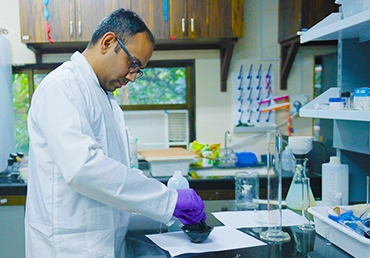
At IIT Bombay, a research team is working on a breakthrough solution, one that could change how the world sources this critical material.
The project explores a bold idea: extracting lithium not from mines, but from abundant natural sources like seawater and brine. While these sources contain lithium, it exists in extremely small quantities and is mixed with other salts, making it difficult to isolate.
To tackle this, the team has developed a novel electrochemical method that can selectively “pick out” lithium from a mixture of other elements. In simple terms, their system acts like a smart filter—recognising and capturing lithium even when it is vastly outnumbered by other salts like sodium.
What makes this innovation remarkable is its efficiency. Even when lithium is present in extremely tiny amounts, the system is able to concentrate and recover it effectively. This proves that extracting lithium from dilute sources—once considered impractical—can, in fact, be achieved.
India’s Lithium Future
The potential impact is far-reaching. If scaled, this technology could enable India to source lithium domestically from natural brine reserves in regions like Rajasthan and Gujarat.
This would reduce dependence on imports and strengthen the country’s energy security, especially as demand for batteries continues to rise.
Equally important are the environmental benefits. Traditional lithium extraction methods often involve intensive mining or water usage. In contrast, this approach is designed to be more resource-efficient and sustainable, aligning with global efforts to reduce the environmental footprint of clean energy technologies.
Beyond the science, the project also reflects meaningful social progress. The research effort has been largely driven by a woman researcher, highlighting the role of inclusive participation in advancing cutting-edge innovation.
In essence, this work represents more than a technological advancement—it is a step toward a future where clean energy is not only widely available, but also sustainably sourced. By turning even the most diluted resources into valuable assets, this project showcases how innovation can unlock new possibilities for both India and the world.