
Giving 12,000 Children a Voice – Bharat Petroleum Corporation

For a child who cannot speak, even the simplest need—water, comfort, or connection—can go unheard. For millions of children in India living with Autism, Cerebral Palsy, or Down’s Syndrome, this silence is not just a medical condition; it is a barrier to learning, belonging, and dignity. At IIT Bombay, a team set out to change that—with a solution that gives every child a voice.
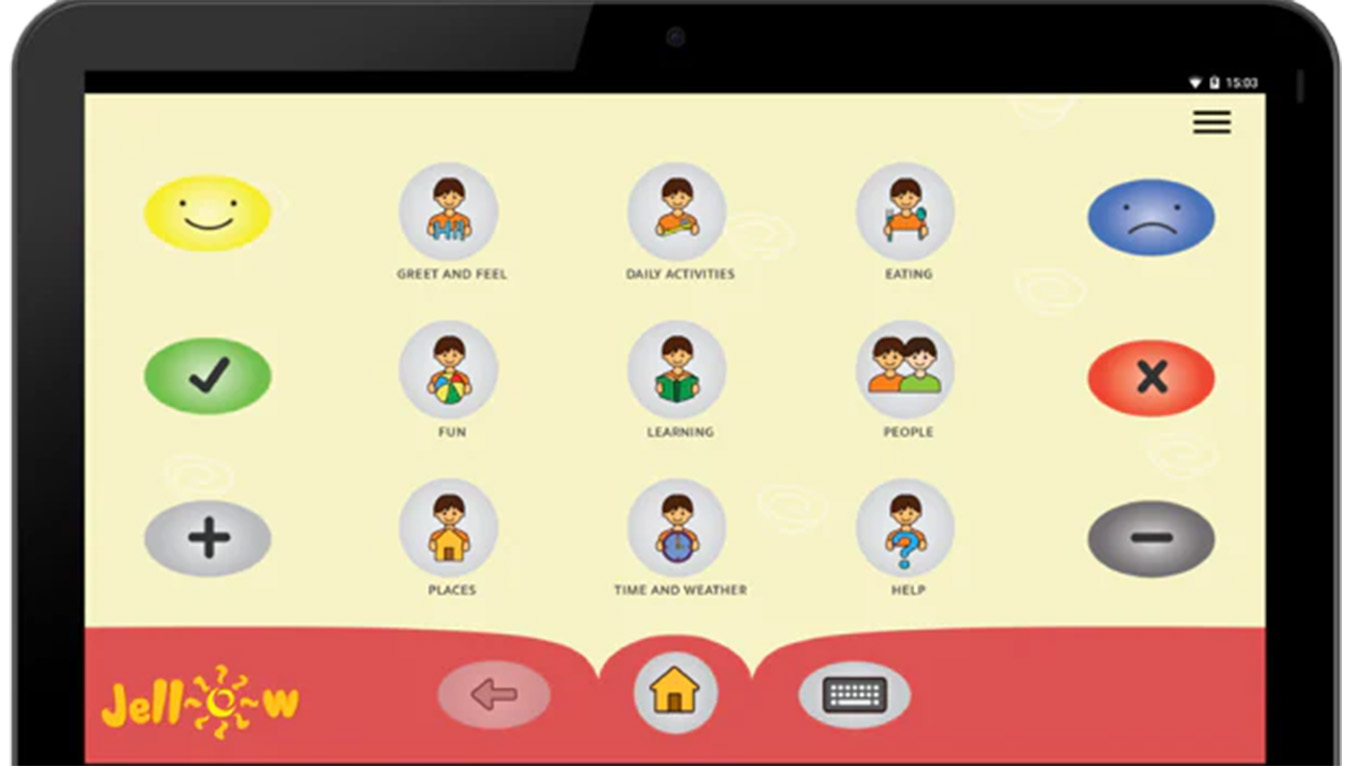
Jellow Communicator, developed at the IDC School of Design, is a free, icon based communication app designed specifically for non-verbal children. Using simple, culturally familiar visuals, it allows children to express their needs, emotions, and daily experiences—often for the very first time.
Available in 12 Indian languages and built for accessibility, Jellow removes both the cost and complexity that have long limited the reach of similar tools.
Explore the app here: https://jellow.org/
Already, the platform has reached over 10,000 users, offering a practical and inclusive way for children to communicate and gradually build language skills. With support from BPCL, the initiative is now scaling through a nationwide training model—equipping parents, special educators, and NGO workers to bring the tool into everyday learning environments. Early efforts have trained 80 caregivers and educators through 4 workshops, with content now available in multiple regional languages and expanding further.
Creating Multipliers of Impact
As the programme grows, it aims to train over 1,200 educators and NGO workers and reach more than 12,000 children with communication disabilities across India, leveraging a network of 700+ NGOs to extend its reach into communities that need it most.
Each trained educator becomes a multiplier, carrying the impact forward to many more children over time.
What makes Jellow powerful is not just the technology, but its simplicity and inclusiveness. It meets children where they are—across languages, abilities, and geographies—ensuring that communication is no longer a privilege, but a right.
It is this blend of thoughtful design and human empathy that defines IIT Bombay’s approach—where innovation does not just solve problems, it gives people the ability to be heard.


